HOME / MANUFACTURING / SURFACE FINISHING
Surface Finishing
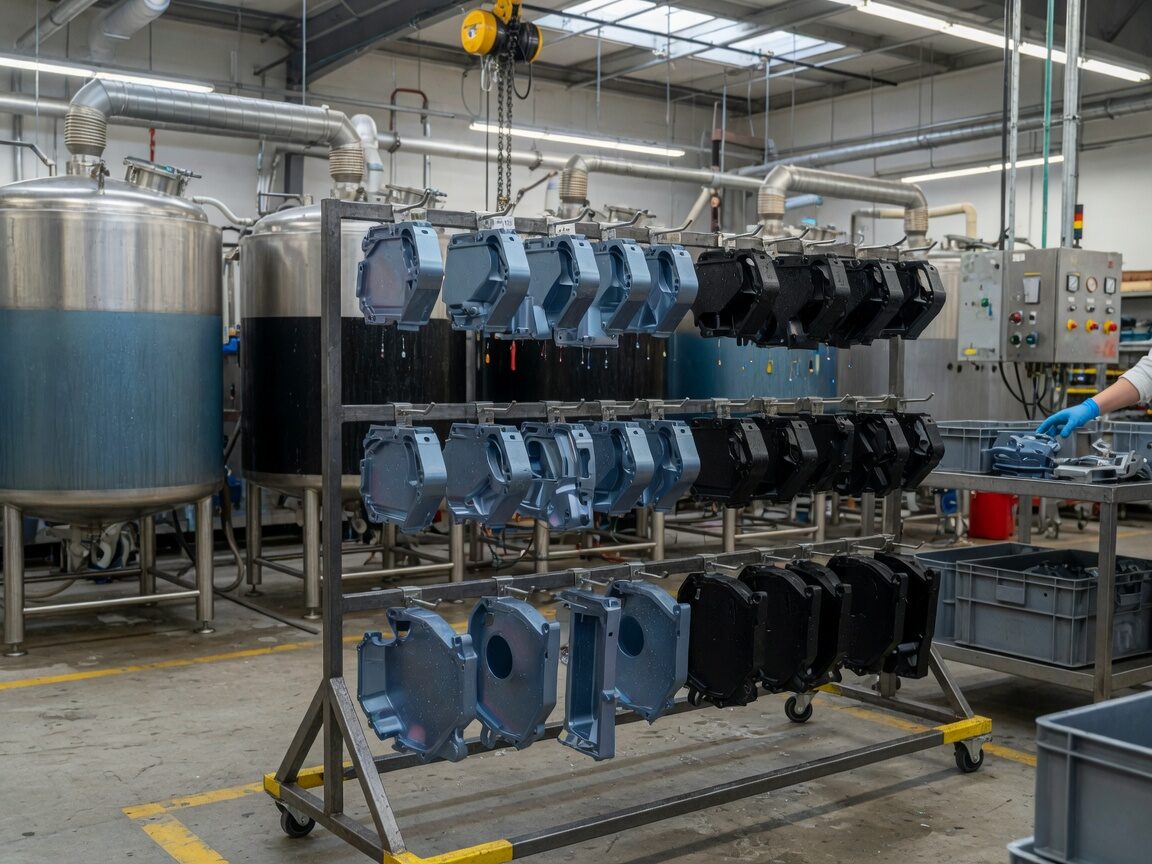
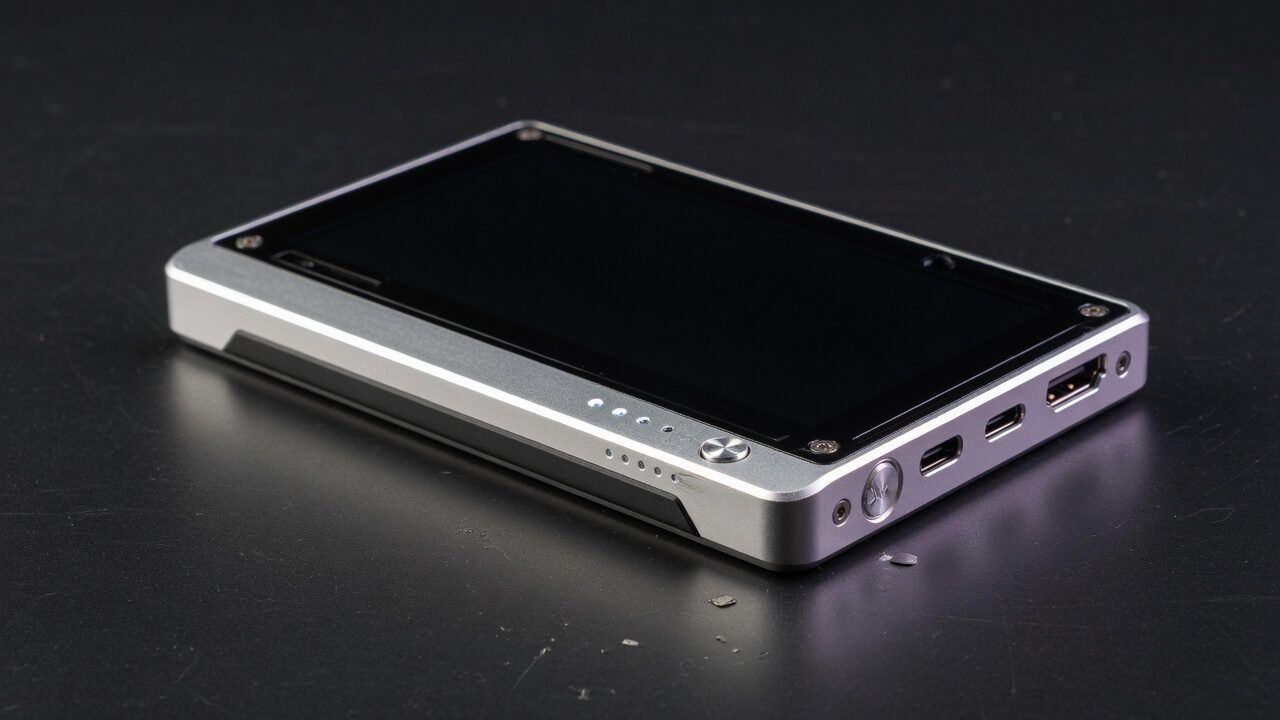
Finishing decides how the product reads and how long it survives. Specify the finish alongside the geometry, and it is planned into the process rather than added at the end.
TYPICAL — SUBJECT TO DRAWING REVIEW
Typical finishes Anodise · plate · powder coat · paint · polish
Colour matching To supplied reference or standard [VERIFY]
Lead-time factors Masking, colour approval, batch size
File formats Drawing with finish callouts and masked areas
Inspection options Colour approval · adhesion · thickness
When to use it — and when not to
USE IT WHEN
- Appearance, corrosion resistance or wear matter
- Parts must match across processes and batches
- Electrical, thermal or hygiene properties depend on the surface
LOOK ELSEWHERE WHEN
- Dimensional tolerances leave no allowance for coating build-up
- Masking requirements make the part uneconomic — revise the design
Materials and finishes
BEAD BLAST
Uniform matte, hides tool marks
CLEAR ANODISE
Corrosion resistance, natural finish
BLACK ANODISE
Type II, cosmetic and durable
POWDER COAT
Thick, tough, wide colour range
ELECTROPOLISH
Bright, cleanable stainless
SOFT-TOUCH PAINT
Tactile consumer surfaces
Compared with adjacent processes
PROCESSQUANTITYTOLERANCEBEST FOR
Anodising Aluminium 5–25 µm Corrosion and cosmetic
Powder coating Steel, aluminium 60–100 µm Tough coloured surfaces
Painting Most substrates 20–60 µm Colour and texture control
Plating Metals 2–20 µm Conductivity and wear
Typical ranges for comparison only. Achievable tolerance depends on geometry, material, fixturing and inspection method, and is confirmed on drawing review.
FAQs
How should finish be specified?
Name the finish, the standard, the colour reference and the masked areas on the drawing. Ambiguity here is the most common cause of rework.
Can you match parts made in different processes?
Close matching is possible but not guaranteed across substrates. Approval samples are agreed before the batch runs.