HOME / MANUFACTURING / DIE CASTING
Die Casting
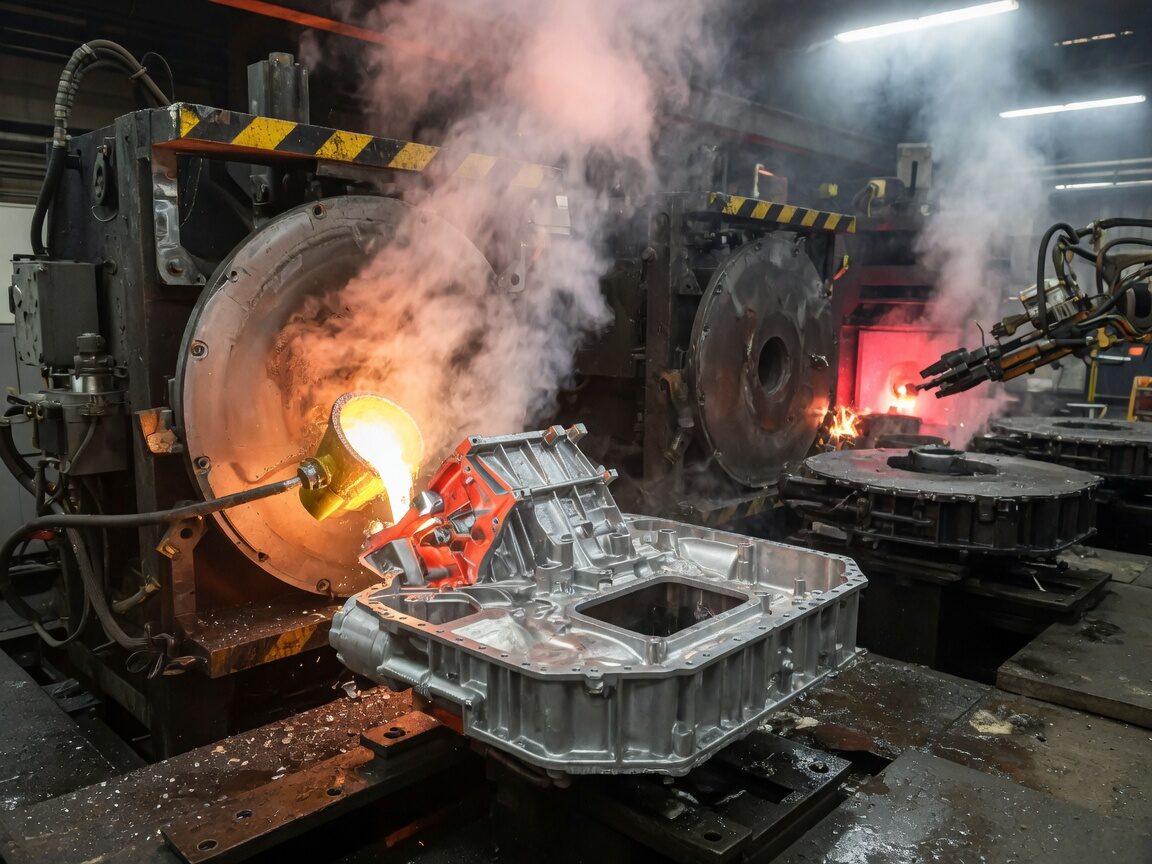
High-volume metal parts with thin walls, stable geometry and good surface quality. Suited to housings, structural frames and heat-dissipating components once volumes justify the tool.
TYPICAL — SUBJECT TO DRAWING REVIEW
Tolerance ±0.15 mm typical, feature dependent
Wall thickness 1.5–4 mm typical
Lead-time factors Tool complexity, machining operations, finishing
File formats STEP · X_T · DWG · PDF
Inspection options Dimensional · porosity check · material cert
When to use it — and when not to
USE IT WHEN
- Annual volumes are in the thousands or above
- Metal properties and heat dissipation are required
- Wall sections are thin and geometry is repeatable
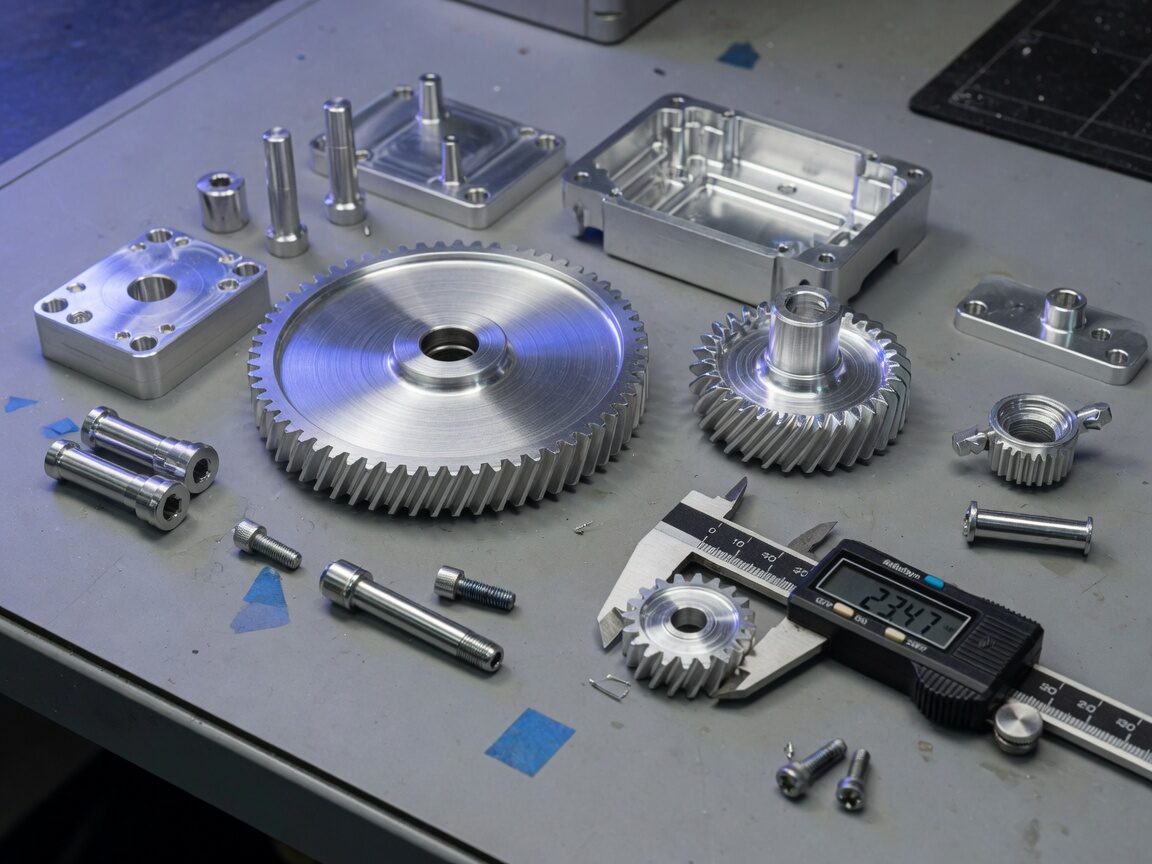
- Secondary machining can hold the critical features
LOOK ELSEWHERE WHEN
- Volumes do not justify tooling — machine or cast instead
- Porosity is unacceptable for pressure-tight parts
- Alloys required are not castable
- The design is still changing
Materials and finishes
ADC12 / A383
General aluminium die casting
A380
Good strength and castability
ZAMAK 3
Zinc, fine detail, thin walls
MG AZ91D
Lightweight structural parts
Compared with adjacent processes
PROCESSQUANTITYTOLERANCEBEST FOR
Die Casting 1,000+ ±0.15 mm Volume metal housings
CNC Machining 1–500 ±0.05 mm Prototype and precise features
Sheet Metal 1–5,000 ±0.2 mm Enclosures from flat stock
Investment casting 100+ ±0.2 mm Complex shapes, alloy range
Typical ranges for comparison only. Achievable tolerance depends on geometry, material, fixturing and inspection method, and is confirmed on drawing review.
FAQs
Will the cast part need machining?
Usually. Critical bores, faces and threads are machined after casting; the drawing should identify them explicitly.
How is porosity controlled?
Through gating and process design, with the acceptance criteria agreed per project and inspected accordingly. [VERIFY per partner]